Storm Season Plumbing Tips Every Huntsville Homeowner Should Know
Severe thunderstorms are a regular part of life in Huntsville, AL. While most homeowners prepare for high winds and heavy rain by securing outdoor furniture or stocking emergency supplies, many overlook one of the most vulnerable systems in their home—the plumbing.
Heavy rainfall, saturated soil, fluctuating temperatures, and power outages can all place extra stress on your plumbing system. Without proper preparation, these conditions can lead to clogged drains, sewer backups, leaking pipes, water heater issues, and even costly water damage.
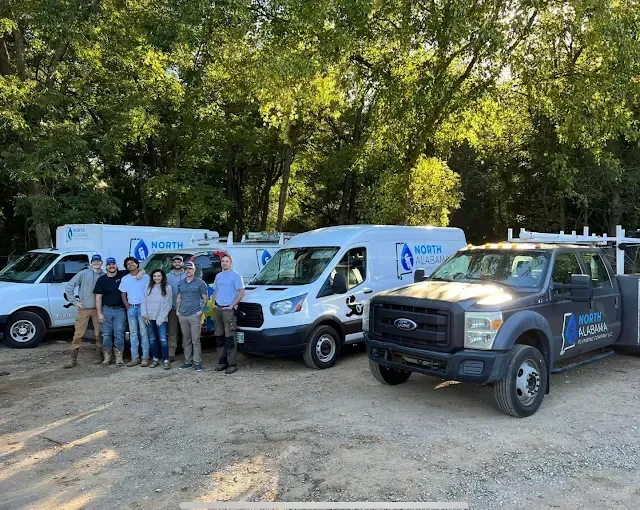
Fortunately, many storm-related plumbing emergencies can be prevented with routine maintenance and early inspections. At North Alabama Plumbing Company, we help homeowners throughout Huntsville prepare their plumbing systems before severe weather arrives and provide prompt repairs when unexpected issues occur.
In this guide, we'll explain how storm season affects your plumbing, what warning signs to watch for, and how you can protect your home from expensive plumbing repairs.
Why Storm Season Can Be Tough on Your Plumbing
While your plumbing system is designed to handle daily water usage, severe weather introduces additional challenges that your pipes, drains, and sewer lines may not be prepared for.
Heavy rainfall increases groundwater levels around your home. This added pressure can affect underground sewer lines, shift soil around buried pipes, and expose existing weaknesses that may have gone unnoticed during drier months.
Storms can also contribute to:
Increased pressure on municipal sewer systems
Standing water around your foundation
Soil movement that stresses underground pipes
Power outages affecting water heaters or sump pumps
Debris entering outdoor drains
Even a plumbing system that seems to be working perfectly can develop problems after a major storm.
Common Plumbing Problems After Heavy Rain in Huntsville
Not every plumbing issue appears immediately after a storm. Some develop gradually over days or weeks as moisture affects your home's plumbing system.
Here are some of the most common issues homeowners experience.
Sewer Line Backups
When municipal sewer systems become overwhelmed by heavy rainfall, wastewater may struggle to flow away from your home.
Instead, you may notice:
Slow-draining sinks
Gurgling toilets
Foul odors
Water backing up into tubs or showers
Ignoring these warning signs can result in significant water damage and sanitation concerns.
Outdoor Drainage Problems
Leaves, dirt, and storm debris often clog outdoor drains.
Poor drainage can allow water to collect around your home's foundation, increasing the risk of leaks and shifting soil that may affect underground plumbing.
Hidden Pipe Leaks
Storm-related ground movement can place stress on aging water lines.
Small leaks often begin inside walls, under slabs, or beneath landscaping, making them difficult to detect without professional equipment.
Signs include:
Unexpected increases in your water bill
Damp drywall
Mold growth
Soft flooring
Low water pressure
Water Heater Issues
Power outages and fluctuating water conditions can affect both traditional and tankless water heaters.
After severe weather, homeowners sometimes notice:
Inconsistent hot water
Pilot light issues
Electrical problems
Reduced efficiency
If your water heater isn't operating normally after a storm, it's a good idea to have it inspected before a small issue becomes a costly repair.
Burst Outdoor Pipes
Outdoor faucets and exposed plumbing can become damaged during sudden temperature swings or after impact from storm debris.
Even a small crack can waste hundreds of gallons of water over time if left unnoticed.
How to Prepare Your Plumbing Before Storm Season
Preparation is the best defense against plumbing emergencies. A few preventative steps can significantly reduce your risk of costly repairs.
Know Where Your Main Water Shut-Off Valve Is
If a pipe bursts during a storm, shutting off the water quickly can minimize damage.
Every homeowner should know:
Where the shut-off valve is located
How to operate it
Who in the household can access it
Inspect Outdoor Faucets and Hose Bibs
Outdoor plumbing is constantly exposed to changing weather.
Before storm season:
Check for leaks
Tighten loose fittings
Replace damaged hoses
Inspect irrigation connections
Small repairs now can prevent larger issues later.
Clear Outdoor Drains
Leaves, sticks, and debris can block drainage systems before heavy rain even begins.
Keeping drains clear allows water to flow away from your home instead of pooling near the foundation.
Schedule a Plumbing Inspection
Many plumbing issues remain hidden until severe weather exposes them.
A professional inspection can identify:
Aging pipes
Small leaks
Weak pipe connections
Drainage concerns
Water heater issues
Routine inspections help catch problems before they become emergencies.
Warning Signs You Should Never Ignore
Storm-related plumbing problems often begin with subtle symptoms.
Contact a plumber if you notice:
Slow Drains
One slow drain may simply indicate a clog.
Several slow drains throughout the house, however, often suggest a larger issue with the main sewer line.
Gurgling Toilets
Air trapped inside plumbing lines may indicate developing sewer blockages.
This symptom often appears before a complete backup occurs.
Sewer Odors
Unpleasant smells coming from drains, bathrooms, or outside near sewer lines should never be ignored.
They may indicate:
Drain blockages
Broken sewer pipes
Ventilation issues
Low Water Pressure
After heavy rainfall, reduced water pressure may indicate:
Pipe leaks
Underground damage
Mineral buildup worsened by shifting pipes
Water Stains
Discoloration on ceilings or walls often signals hidden plumbing leaks that require immediate attention.
Why Routine Plumbing Maintenance Saves Money
Many emergency plumbing calls could have been avoided with regular maintenance.
Preventive plumbing services help homeowners:
Detect leaks early
Extend water heater lifespan
Prevent drain blockages
Improve water efficiency
Reduce emergency repair costs
Annual inspections are often far less expensive than repairing extensive water damage after a plumbing failure.
Protect Your Water Heater During Storm Season
Your water heater is one of the most valuable appliances in your home.
Storm preparation should include:
Inspecting for leaks
Flushing sediment if needed
Checking pressure relief valves
Ensuring electrical or gas connections are functioning properly
If your water heater begins making unusual noises or struggles to produce hot water after severe weather, schedule a professional inspection.
Don't Wait Until a Plumbing Emergency Happens
Storm damage often develops gradually.
Waiting until water is actively leaking into your home usually means more extensive repairs and higher restoration costs.
If you've recently experienced severe weather in Huntsville and notice any plumbing changes, scheduling an inspection now could save thousands of dollars later.
Professional plumbers can identify hidden issues before they become major emergencies.
Why Huntsville Homeowners Trust North Alabama Plumbing Company
North Alabama Plumbing Company proudly serves homeowners throughout Huntsville, AL, with dependable residential plumbing services backed by years of experience.
Whether you're preparing your home before storm season or dealing with an unexpected plumbing emergency, our licensed professionals provide honest recommendations, quality workmanship, and prompt service.
From leak detection and drain cleaning to water heater repairs and complete plumbing solutions, we're committed to helping Huntsville homeowners protect their homes year-round.
Frequently Asked Questions
Can heavy rain cause plumbing problems?
Yes. Heavy rainfall can overwhelm sewer systems, saturate soil around underground pipes, and contribute to leaks, backups, and drainage issues.
Can storms cause sewer backups?
Absolutely. During periods of heavy rain, municipal sewer systems may become overloaded, causing wastewater to back up into residential plumbing.
Should I inspect my plumbing before storm season?
Yes. A professional plumbing inspection can identify hidden leaks, aging pipes, and drainage concerns before severe weather increases the risk of damage.
Why is my water pressure lower after a storm?
Reduced water pressure may be caused by underground pipe movement, hidden leaks, or debris affecting your plumbing system.
Can storms damage water heaters?
Power outages, electrical surges, and fluctuating water conditions may affect both traditional and tankless water heaters.
What should I do if I notice water stains after heavy rain?
Contact a licensed plumber immediately. Water stains often indicate hidden leaks that can lead to mold growth and structural damage if left untreated.
How often should drains be professionally cleaned?
Many homeowners benefit from routine drain cleaning every one to two years, depending on the age of the plumbing system and household usage.
Who should I call for storm-related plumbing problems in Huntsville?
North Alabama Plumbing Company provides professional plumbing inspections, leak detection, drain cleaning, water heater services, and emergency plumbing solutions throughout Huntsville, AL.
Schedule Your Plumbing Inspection Before the Next Storm
Storm season doesn't have to result in unexpected plumbing repairs. With regular maintenance and professional inspections, you can protect your home from sewer backups, hidden leaks, water heater issues, and costly water damage.
If you're preparing for severe weather or you've noticed changes in your plumbing after a recent storm, North Alabama Plumbing Company is here to help. Our experienced team proudly serves homeowners throughout Huntsville, AL with dependable plumbing services designed to keep your home safe, efficient, and protected all year long.
Contact North Alabama Plumbing Company today to schedule your plumbing inspection and gain peace of mind before the next storm rolls through Huntsville.


